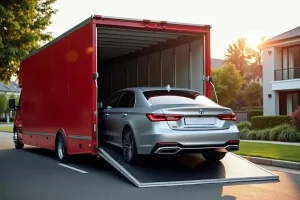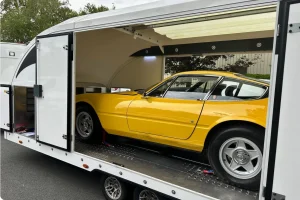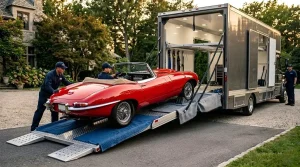

State-to-state auto transport helps customers move vehicles between locations in different states without driving the entire distance themselves. Explore open and enclosed shipping options for relocations, vehicle purchases, and other interstate transportation needs.
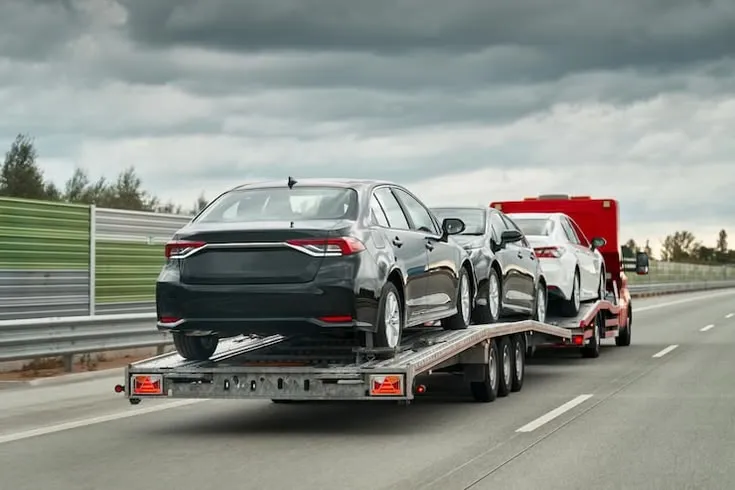
Moving a vehicle across state lines can be challenging when you are also coordinating a household relocation, starting a new job, purchasing a car remotely, or planning a long-distance move.
Driving the vehicle yourself may require fuel, overnight stops, additional mileage, and time away from other responsibilities. State-to-state auto transport offers another option by arranging for a vehicle to be carried to its destination.
Rapid Hill Car Transport helps customers explore interstate vehicle transportation from Glendale, California, and other eligible pickup locations, subject to route and carrier availability.
State-to-state auto transport is the transportation of a vehicle from a pickup location in one state to a destination in another state.
The vehicle is generally moved on an open or enclosed carrier, depending on the selected service, vehicle requirements, route, and availability.
Customers may use interstate shipping when relocating, purchasing a vehicle from an out-of-state seller, sending a car to a family member, or arranging transportation for a specialty vehicle.
The specific pickup and delivery arrangements depend on the addresses, the carrier’s route, and any access restrictions.
Shipping your vehicle can eliminate the need to drive it across the entire route. This may help you avoid extensive driving hours, additional mileage, fuel expenses, and overnight accommodation costs.
Compare the full costs of driving with the quoted shipping price to determine which option makes sense for your circumstances.
When moving to another state, you may already be arranging housing, packing belongings, and coordinating travel. Vehicle shipping can help you organize the car’s transportation separately from your personal journey.
Open transport is commonly used for everyday vehicles and may be the more economical option. Enclosed transport offers additional environmental protection and may be suitable for classic, luxury, or specialty automobiles.
The most appropriate choice depends on the vehicle’s value, condition, dimensions, and handling requirements.
Online vehicle purchases and dealership transactions sometimes involve buyers and sellers in different states. Auto transport can provide a way to arrange vehicle delivery without requiring the buyer to travel to the seller’s location.
Before booking, coordinate the release of the vehicle, keys, required documents, and access arrangements with the seller.
Interstate vehicle transportation can benefit individuals relocating for work, families moving to another state, college students, military households, seasonal residents, dealerships, and people purchasing vehicles remotely.
It may also be useful when a household owns more than one vehicle and not every car can be driven to the destination.
Each shipment requires an arrangement appropriate to the vehicle and route. Large vehicles, modified cars, inoperable automobiles, and vehicles with unusual dimensions may require specialized equipment.
Provide the pickup city and state, destination city and state, vehicle year, make and model, operating condition, and preferred dates.
The more accurate your information, the easier it is to assess the transportation requirements. Disclose low ground clearance, mechanical issues, vehicle modifications, and pickup or delivery restrictions.
Consider the vehicle’s value, condition, desired protection, and budget. Open shipping is often appropriate for standard vehicles, while enclosed transport may be preferable for certain specialty automobiles.
Ask about carrier equipment, insurance coverage, and any special loading procedures before selecting a service.
Review the quoted price, estimated pickup window, expected transit time, payment arrangements, cancellation policy, and any special conditions.
A transportation estimate should not be treated as a guaranteed delivery date unless a written agreement explicitly provides that commitment.
Clean the car, take photographs, remove personal items, and secure loose accessories. Follow the carrier’s guidance about fuel, keys, alarms, and vehicle access.
Ensure the carrier knows about any mechanical or loading issues before pickup.
Review the vehicle’s condition with the carrier and ensure existing damage is recorded on the relevant inspection documentation. Keep a copy of the bill of lading and your photographs.
Stay available for transportation updates and confirm the destination arrangements. Traffic, weather, carrier scheduling, road conditions, and other factors can affect estimated arrival times.
At delivery, inspect the vehicle and document any discrepancies before following the applicable reporting and claims process.
Interstate shipping costs depend on the distance between locations, vehicle dimensions and condition, route demand, carrier availability, pickup and delivery access, transportation method, season, and timing.
An open carrier on a commonly traveled route may be priced differently from an enclosed carrier serving a less frequently traveled destination. Inoperable vehicles may require additional equipment and handling.
The most useful quote is one based on your actual vehicle and both locations.
Rapid Hill Car Transport helps customers explore interstate auto transport options from Glendale and other eligible pickup locations. Before booking, confirm the carrier arrangement, route, pickup window, expected transit time, price, insurance details, and delivery requirements.
Whether your move is across a neighboring state or across the country, planning ahead can help you coordinate vehicle shipping with the rest of your relocation.
Find answers to some common questions about car shipping and vehicle transportation.
Car transport costs depend on the distance, vehicle size, pickup and delivery locations, carrier availability, transportation method, and schedule. Open transport is often more economical than enclosed transport. Request a route-specific quote for a more accurate estimate.
Transit time depends on the distance, route, weather, traffic, pickup scheduling, and the carrier's other deliveries. Ask for an estimated pickup and delivery window before booking, and confirm whether any dates are guaranteed in writing.
Open transport carries vehicles on an uncovered carrier and is commonly used for everyday cars. Enclosed transport carries vehicles inside a covered trailer, providing additional protection from weather and road debris. Enclosed shipping generally costs more.
Pickup and delivery can generally be arranged near your specified addresses when the locations are accessible and safe for the carrier. Narrow streets, parking restrictions, and other obstacles may require meeting the driver at a nearby suitable location.
Clean your vehicle, take photographs of its condition, remove personal belongings, secure loose accessories, and disclose mechanical problems. Follow the carrier's instructions and review the inspection report and bill of lading at pickup and delivery.